Week 1️⃣ 3️⃣
Sugar
🔊 Audio
📜 Show transcript
Sugar has one of the most consequential histories of any commodity, tying together politics, labour, culture, and global trade.
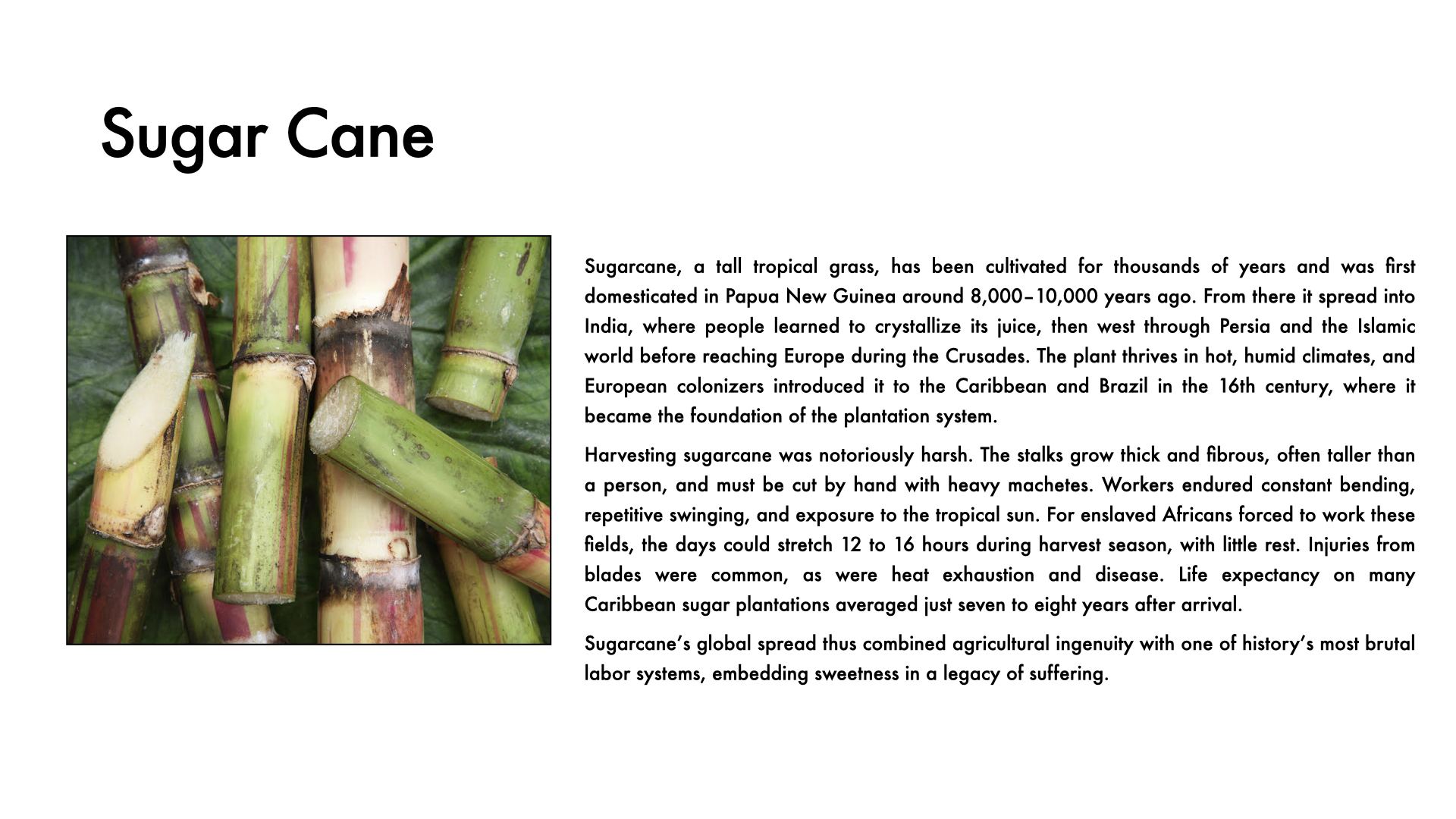
The story begins in Papua New Guinea around 8,000–10,000 years ago, where sugarcane was first domesticated. It spread through Southeast Asia and India, where crystallization techniques emerged by the first millennium CE. Persian and Islamic cultivators refined these methods, and by the Middle Ages, sugar reached Europe through the Crusades as a rare luxury.
The Age of Exploration radically expanded sugar's scope. Spanish and Portuguese colonizers carried cane to the Caribbean and Brazil, where the climate proved ideal. But sugar was extremely labour-intensive. After indigenous peoples were decimated by disease and violence, Europeans turned to the transatlantic slave trade. Millions of Africans were forcibly transported to toil in cane fields under conditions so brutal that average life expectancy on many Caribbean plantations was only eight years.
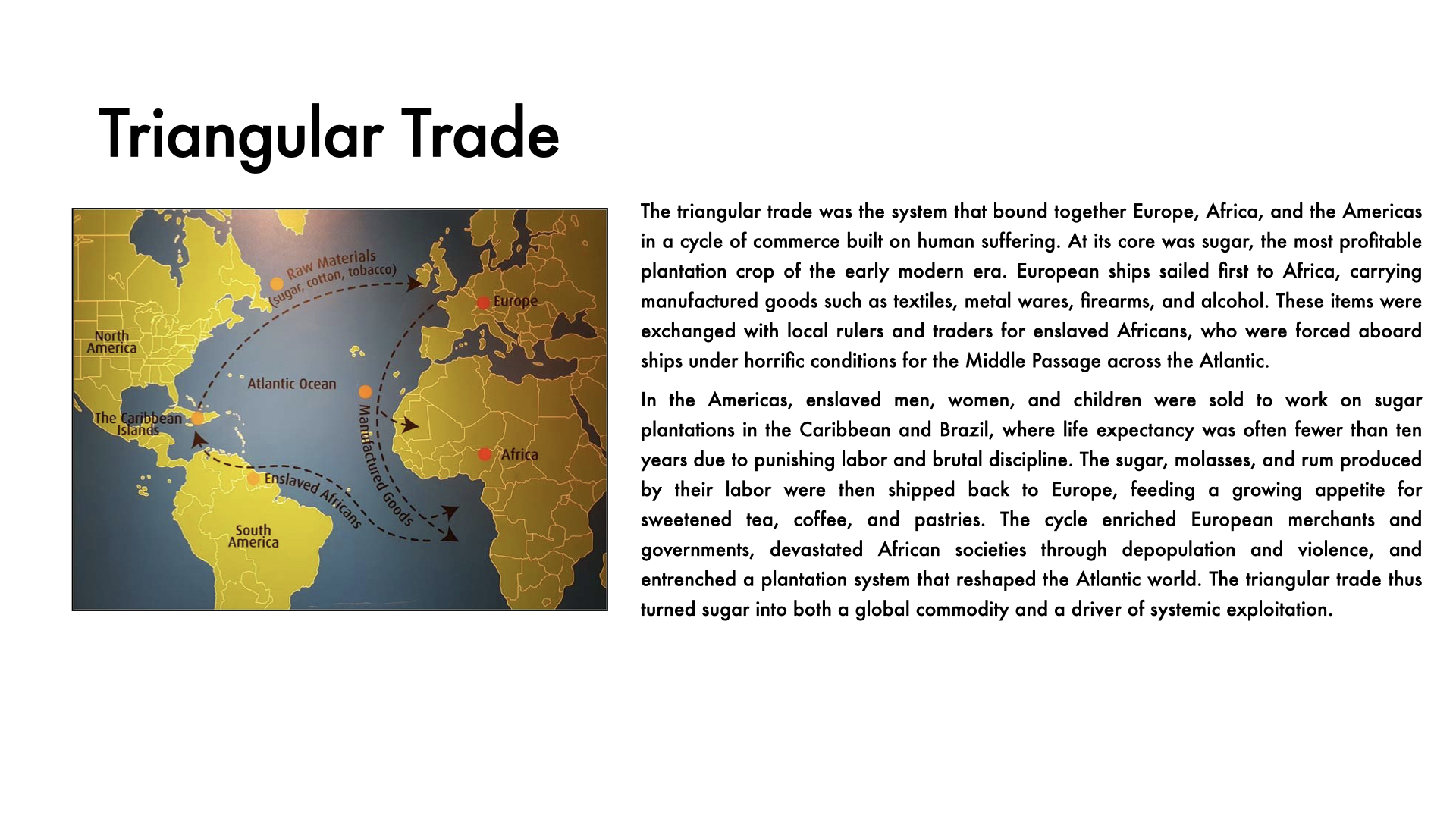
By the 18th century, sugar anchored the triangular trade linking three continents. Enslaved Africans were shipped to the Americas to produce sugar and rum for Europe, while European merchants sent manufactured goods and weapons to Africa for more captives. This cycle created immense European wealth while devastating African societies.
Sugar also reshaped European daily life. Tea and coffee became popular when sweetened, creating new social rituals in coffeehouses and workplaces that influenced routines across the continent.
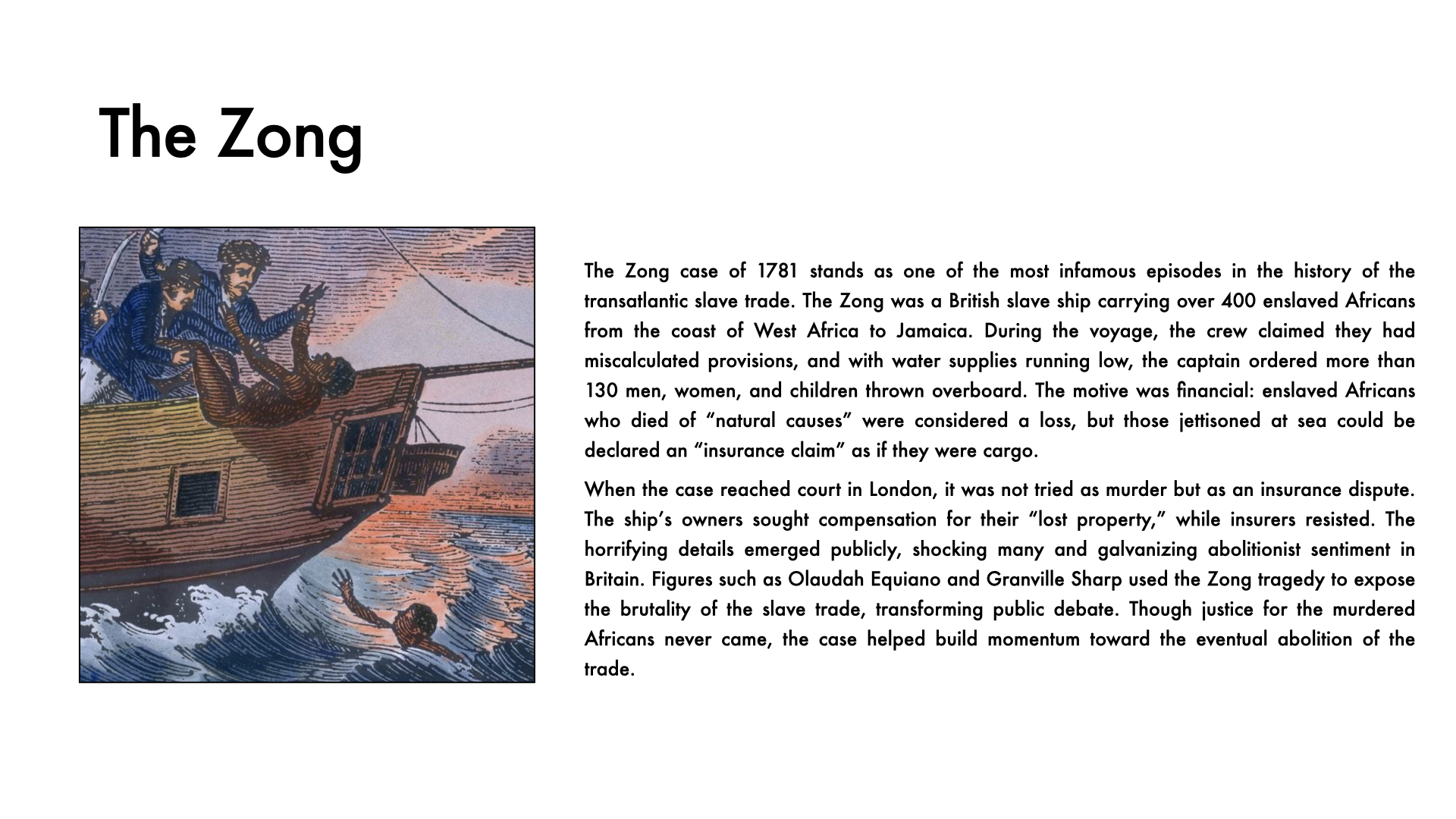
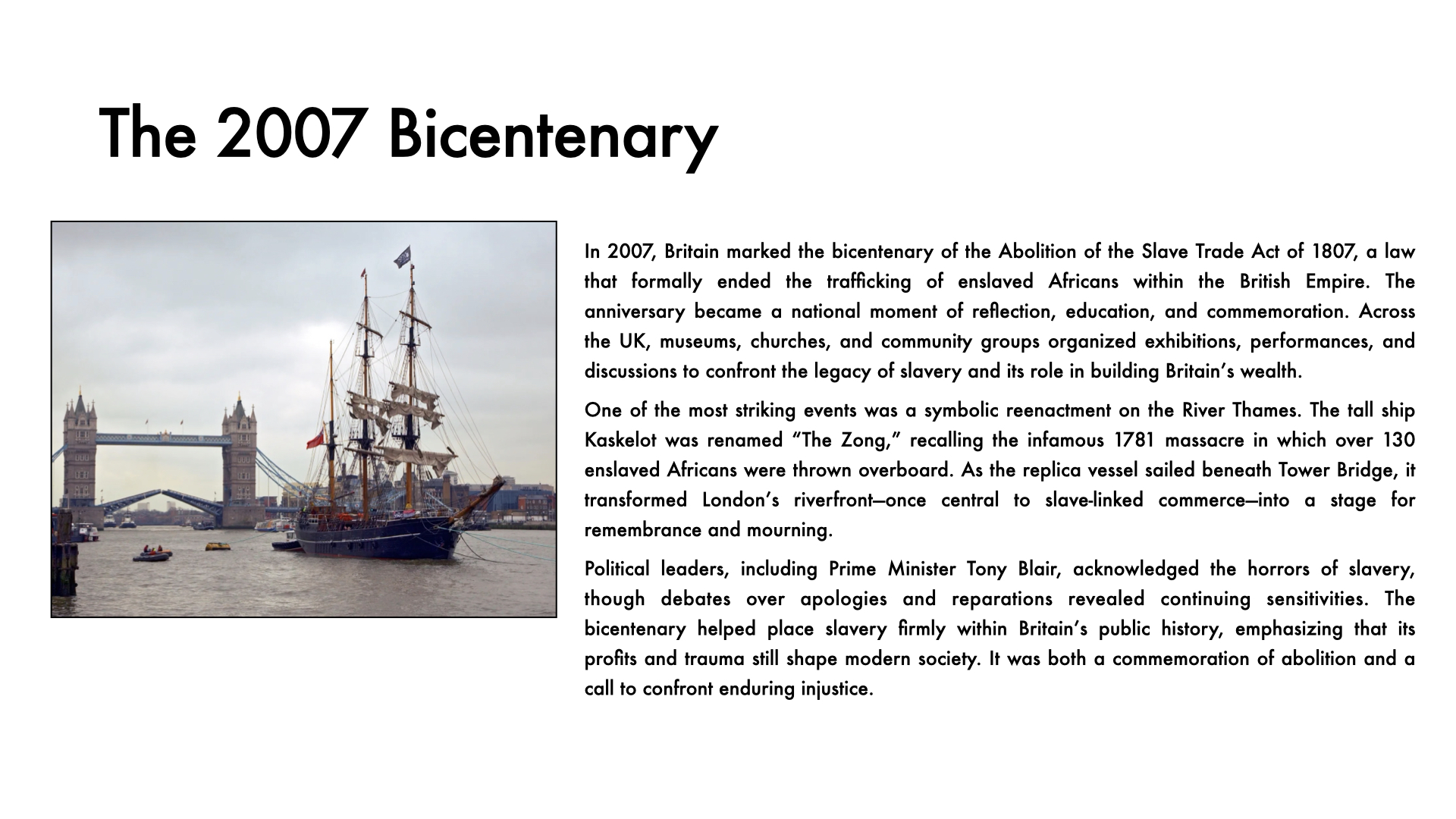
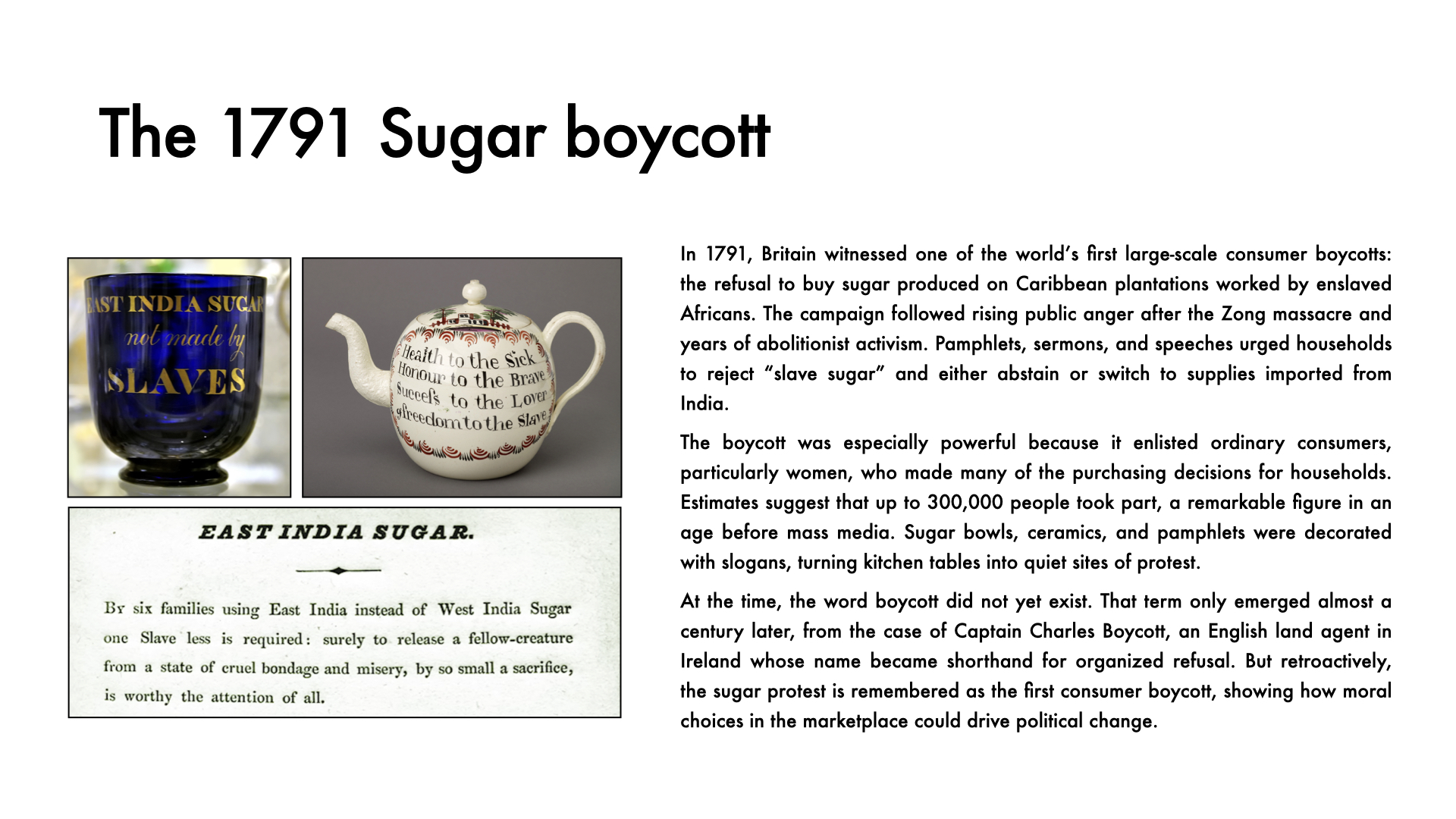
The brutality was exposed in 1781 when the slave ship Zong's crew threw 130 enslaved Africans overboard to claim insurance. The case, treated as property loss rather than murder, outraged the public and energized abolitionists. In 1791, activists organized history's first large-scale consumer boycott of West Indian sugar, using symbols like "anti-slavery" sugar bowls to show that everyday consumption carried moral weight.
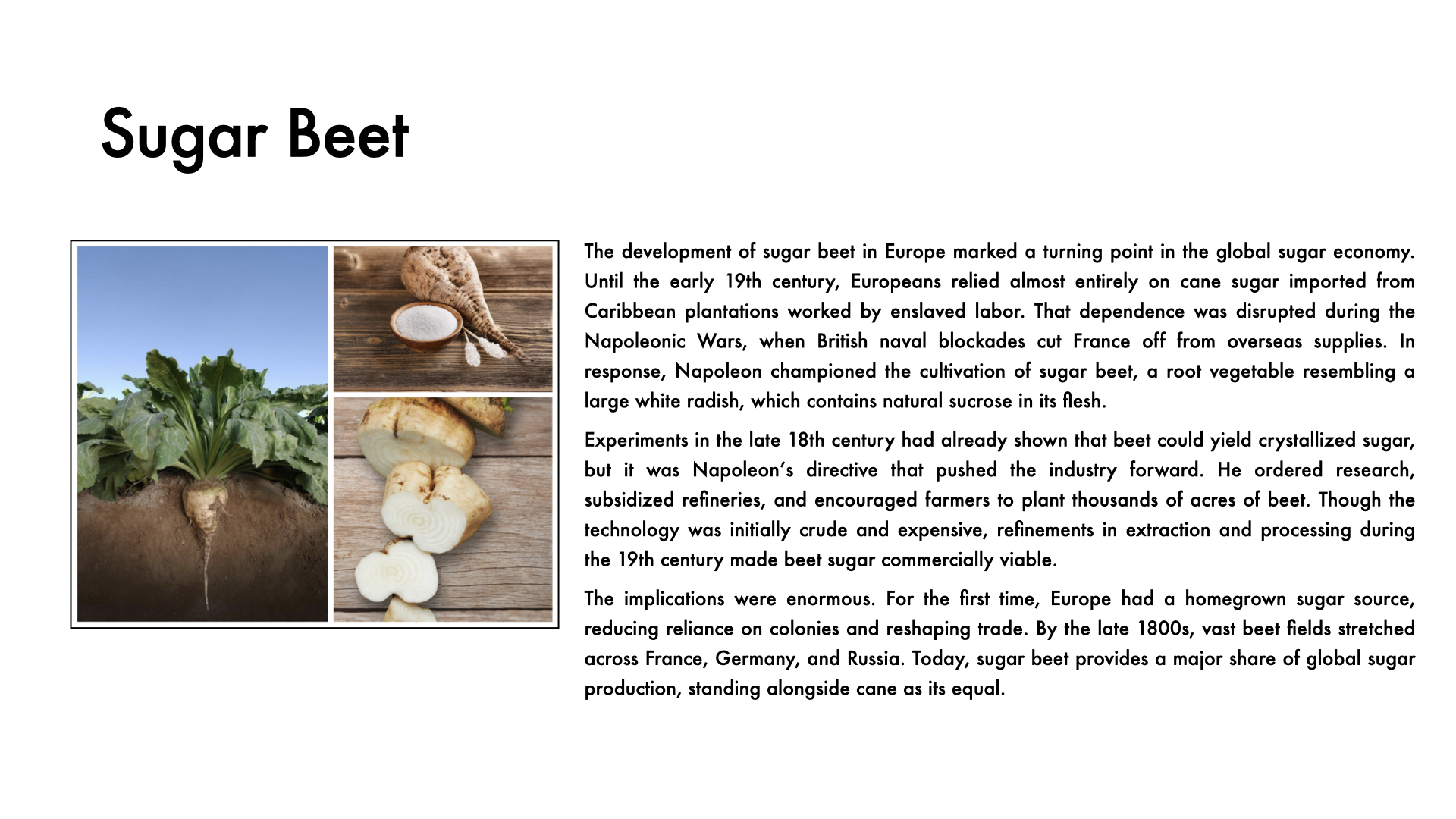
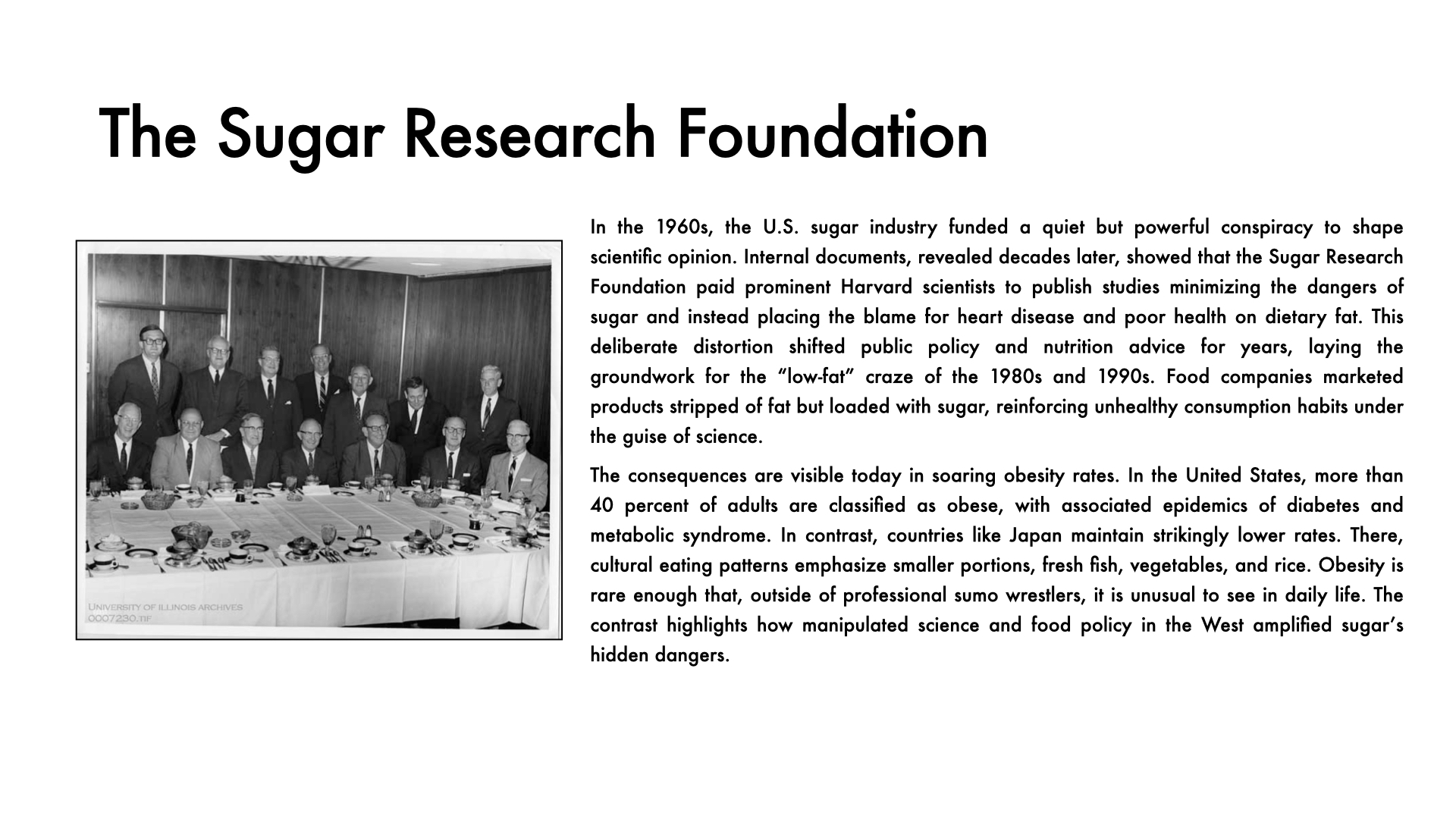
By the 19th century, Napoleon, blockaded from Caribbean supplies, championed sugar beet cultivation in Europe. This temperate-climate alternative reduced dependence on colonial cane once refining techniques improved. Sugar's influence persisted into modern times. In the 1960s, the Sugar Research Foundation paid Harvard scientists to downplay links between sugar and heart disease, shifting blame to dietary fat. This deception fueled the "low-fat" craze that filled processed foods with sugar, contributing to today's obesity and diabetes epidemics.From its New Guinea origins to its roles in slavery, consumer activism, and modern health crises, sugar's history shows how one crop reshaped the world.
📽️ Slideshow
📺 Video
🔑 Key Vocabulary
- Abolition – the campaign to end the slave trade, supported by sugar boycotts
- Beet Sugar – sugar extracted from beets grown in Europe, developed during the Napoleonic era
- Boycott – the 1791 refusal to buy slave-produced sugar (term itself coined later from Charles Boycott)
- Cane Sugar – sugar derived from sugarcane, first domesticated in Papua New Guinea
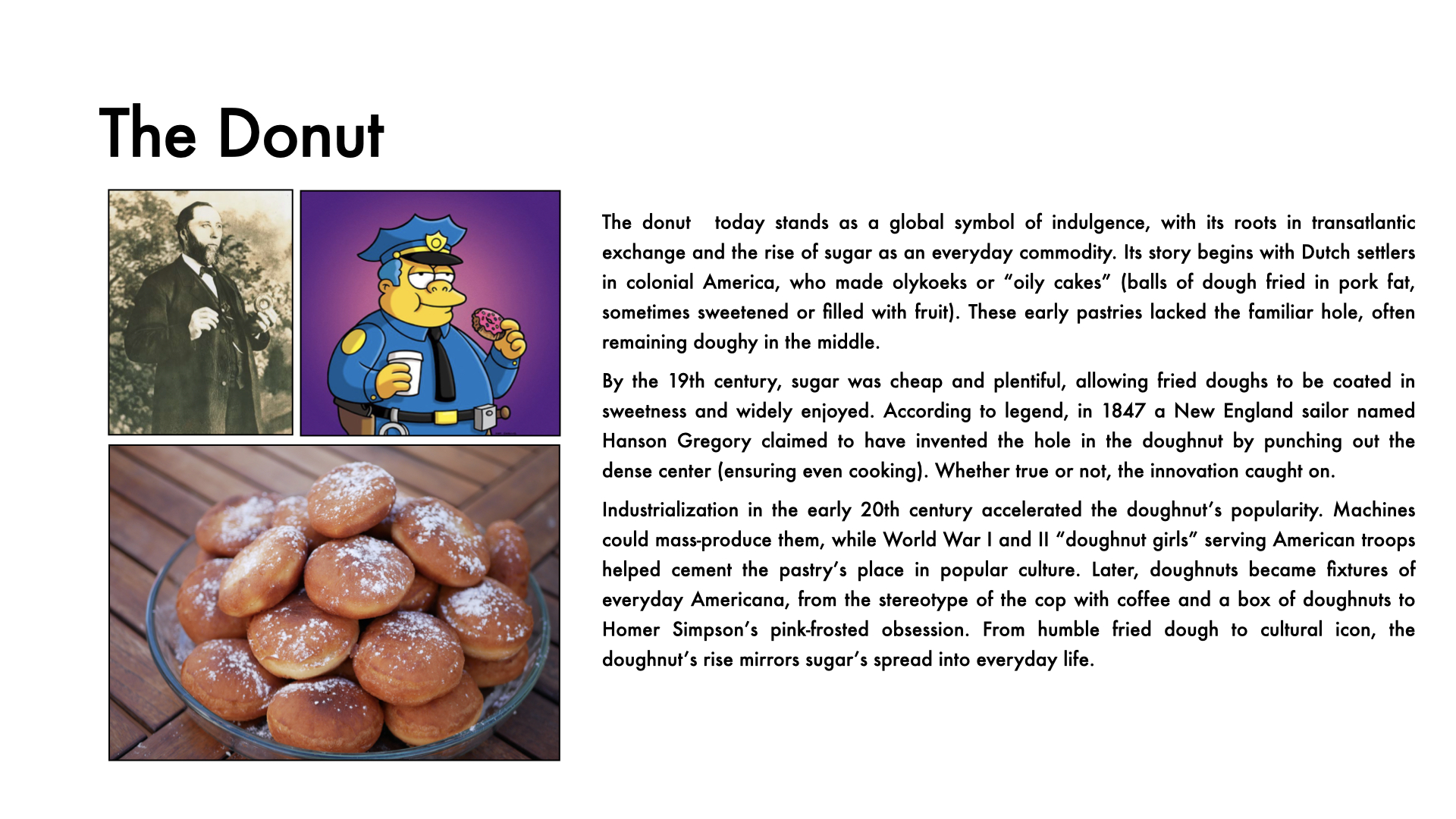
- Donut (Doughnut) – sweet fried pastry popularized in the 19th and 20th centuries
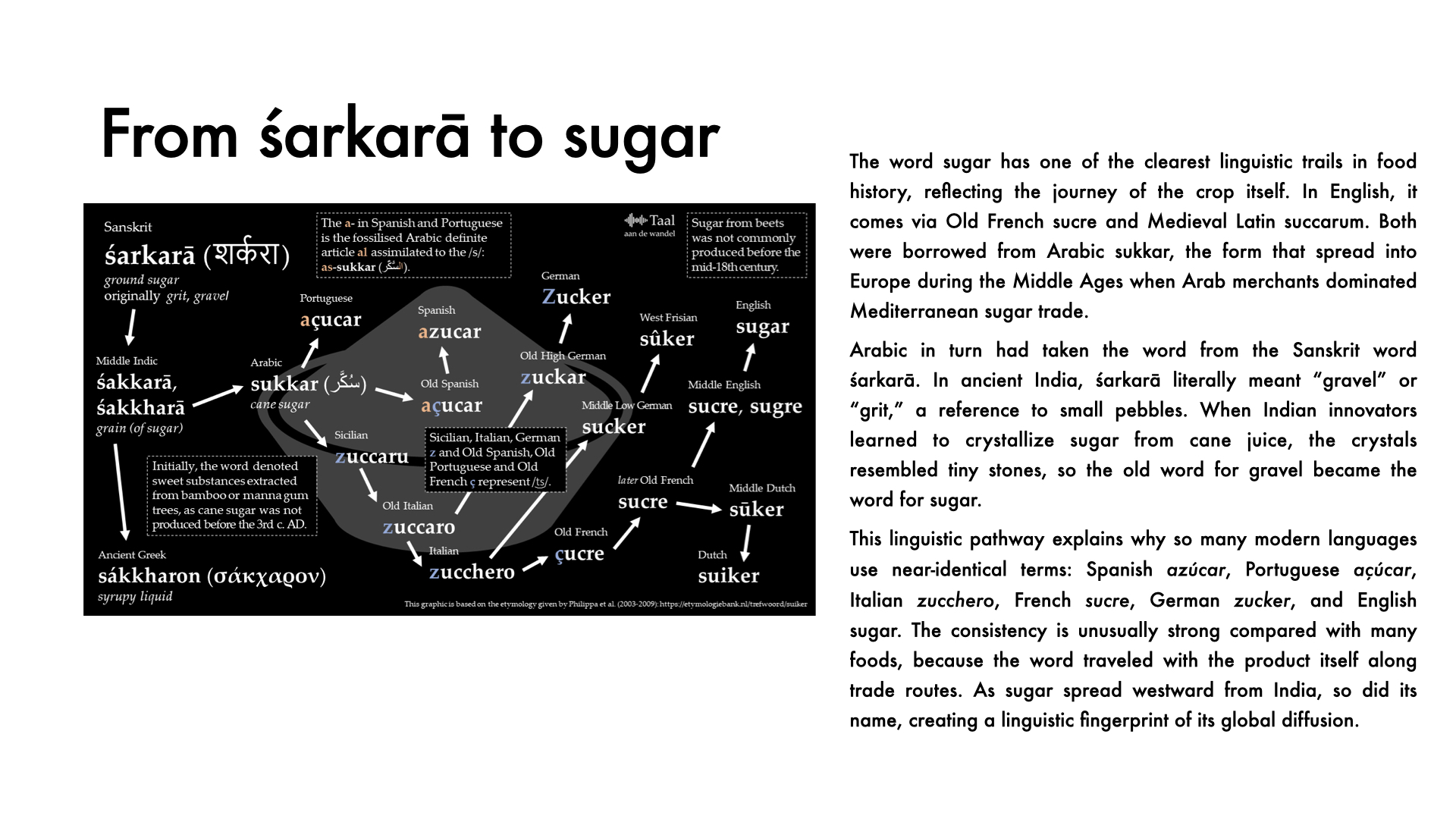
- Etymology – the linguistic history of the word sugar, traced back to Sanskrit śarkarā
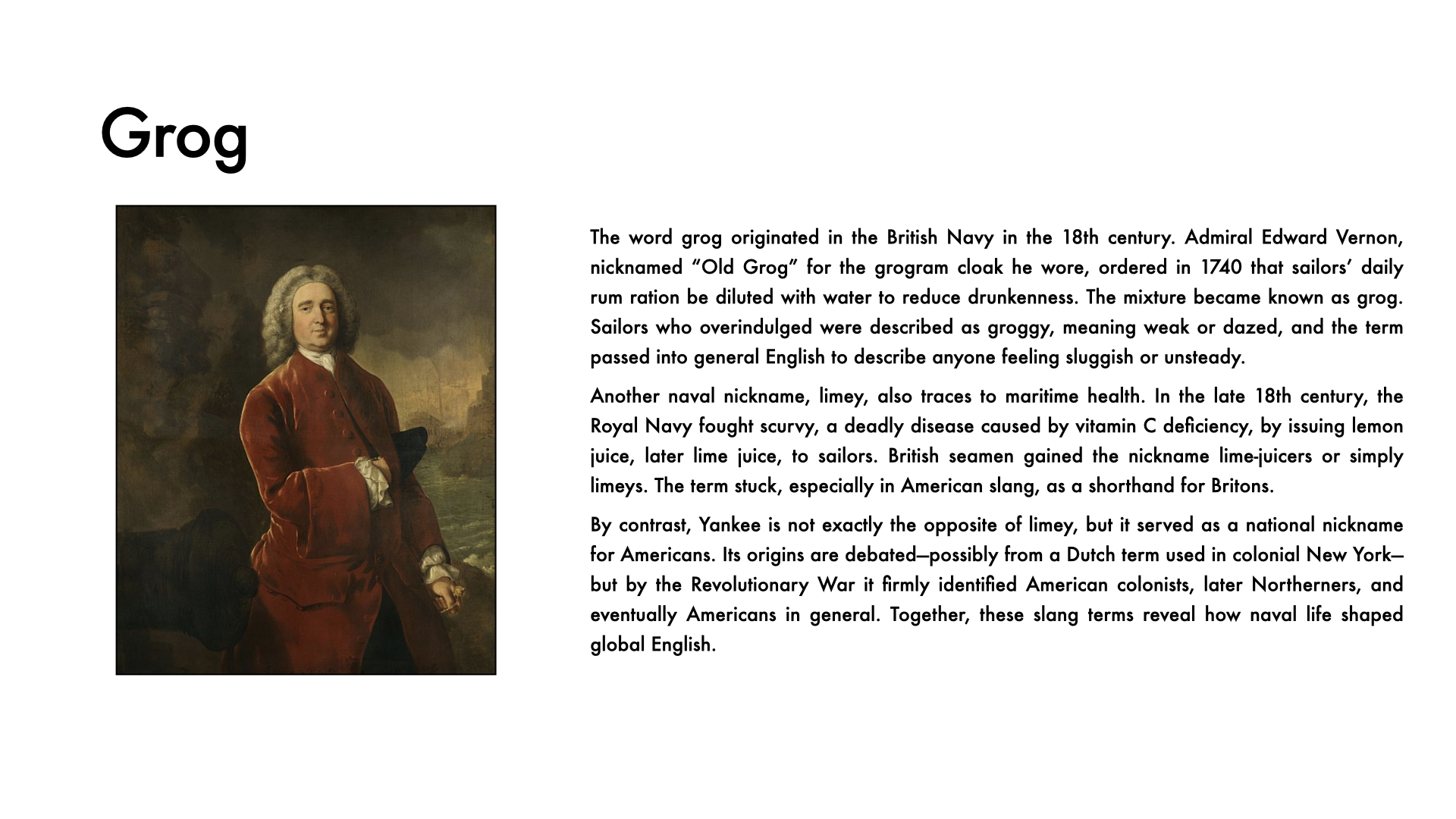
- Grog – diluted rum ration given to sailors, origin of the word “groggy”
- Rum – alcoholic spirit distilled from molasses, central to trade and pirate lore
- Sugar Bowl – household item often decorated with anti-slavery slogans during the 1791 boycott
- Triangular Trade – three-way system of goods, slaves, and sugar linking Europe, Africa, and the Americas
- Zong – British slave ship remembered for the 1781 massacre and later abolitionist outrage
💬 Conversation Questions
- Do you usually have sugar in your tea or coffee?
- What is your favorite sweet food or drink?
- How much sugar do you think you eat in a normal day?
- Do you prefer natural sugar, or do you use alternatives like honey or sweeteners?
- Have you ever tried to cut down on sugar? How easy or difficult was it?
- Do you know how much sugar is in a can of soda?
- What do you think about governments putting a tax on sugary drinks?
- Have you ever thought about where sugar comes from before it reaches your table?
- What do you know about the history of sugar and slavery?
- Have you ever taken part in a consumer boycott, like people did with sugar in 1791?
🌐 Links
- Time Magazine - How the World Got Hooked on Sugar
- University of Oxford History Faculty - How England became the 'sweetshop of Europe'
- The New York Times - The sugar that saturates the American diet has a barbaric history as the 'white gold' that fueled slavery
- The Guardian - Almost a quarter of UK GPs are seeing obese children aged four and under